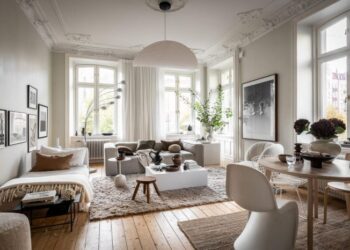

Embark on a journey of creating seamless open-plan interiors without compromising on flow. From strategic furniture layouts to architectural features, discover the art of maintaining harmony in open spaces.
Explore the key elements and techniques that will transform your open-plan design into a cohesive and functional living space.
Factors to Consider When Designing Open-Plan Interiors
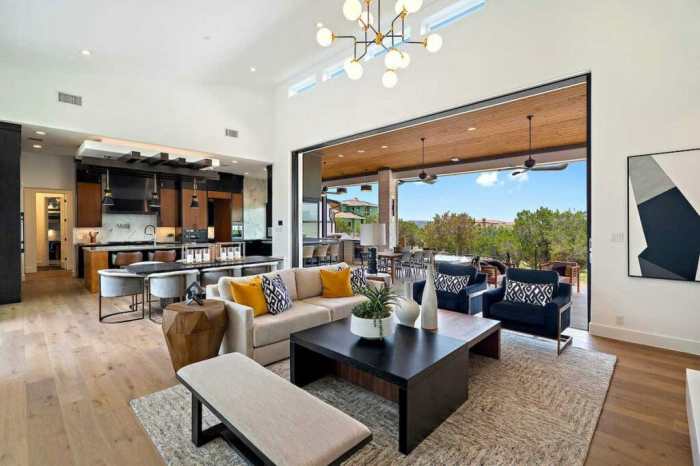
When creating an open-plan interior design, it is essential to take into account various factors that contribute to a cohesive and well-balanced space. From layout to color schemes, each element plays a crucial role in maintaining flow and harmony within the space.
Lighting Choices Impact on Flow
Lighting is a key component in open-plan interiors as it can greatly influence the overall flow of the space. Proper lighting can help define different zones within the open layout, creating a sense of separation while still maintaining a cohesive design.
Natural light, artificial lighting fixtures, and their placement all contribute to the ambiance and functionality of the space.
Importance of Color Schemes
Color schemes play a vital role in open-plan interiors as they help tie different areas together and create a unified look. Choosing a cohesive color palette that flows seamlessly from one area to another is crucial for maintaining harmony within the space.
Additionally, using contrasting colors strategically can help define specific zones or highlight architectural features, adding visual interest and depth to the overall design.
Utilizing Furniture Layouts and Placement
When designing open-plan interiors, the arrangement of furniture plays a crucial role in defining separate areas while maintaining a sense of flow and cohesion throughout the space. Strategic placement of furniture can help create distinct zones for different activities without the need for physical barriers.Multifunctional furniture is a key element in optimizing space in open-plan interiors.
Pieces like modular sofas, extendable dining tables, and storage ottomans can serve multiple purposes, allowing for flexibility in how the space is used. By incorporating multifunctional furniture, you can maximize the functionality of the area while keeping it visually appealing and uncluttered.
Arranging Furniture to Define Separate Areas
- Use sofas, rugs, or bookshelves to create a visual separation between the living room and dining area.
- Position furniture in a way that encourages traffic flow and defines each zone without blocking pathways.
- Consider the scale of furniture in relation to the size of the space to ensure a balanced layout.
- Experiment with different furniture arrangements to find the most functional and visually appealing layout for your open-plan interior.
Role of Multifunctional Furniture in Optimizing Space
- Choose furniture pieces that can serve multiple purposes, such as a coffee table with hidden storage or a dining table that can be extended for larger gatherings.
- Opt for furniture with clean lines and minimalistic design to create a cohesive look in the open-plan space.
- Consider investing in convertible furniture that can be easily transformed to suit different needs throughout the day.
- Maximize vertical space by incorporating shelving units or wall-mounted furniture to free up floor space and maintain an open feel.
Using Area Rugs to Delineate Different Zones
- Place area rugs strategically to define specific areas within the open-plan layout, such as a rug under the dining table to anchor the space.
- Choose rugs that complement the overall color scheme and style of the interior while adding texture and warmth to the space.
- Experiment with different rug sizes and shapes to create visual interest and separation between various zones.
- Ensure that the rugs are properly anchored with furniture to prevent slipping and maintain safety in high-traffic areas.
Incorporating Architectural Features for Seamless Transitions
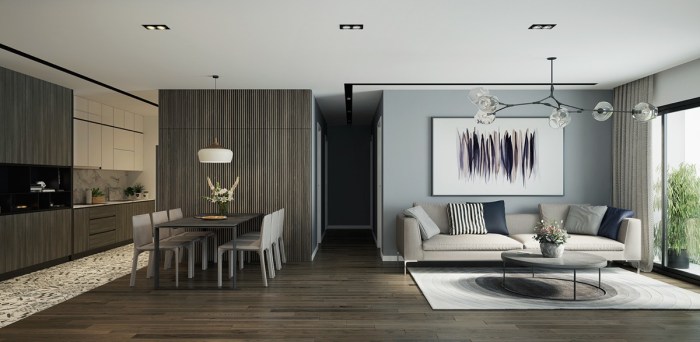
When designing open-plan interiors, incorporating architectural features plays a crucial role in maintaining flow and cohesion throughout the space. Architectural elements like arches or columns can be strategically used to enhance the transition between different areas, creating a harmonious and seamless flow.
Using Sliding Doors or Partitions for Flexibility
Sliding doors or partitions are excellent options for creating flexibility in open-plan spaces while still maintaining a sense of openness. These features can be utilized to separate areas when needed for privacy or noise control, and easily opened up to bring back the open feel of the space.
Integration of Built-in Storage Solutions
Integrating built-in storage solutions is another effective way to streamline the visual flow in open-plan interiors. By incorporating storage into architectural elements such as walls or room dividers, you can maintain a clean and uncluttered look while also maximizing space efficiency.
Built-in storage solutions not only add functionality but also contribute to the overall aesthetic of the space.
Balancing Privacy and Openness in Open-Plan Designs
When designing open-plan interiors, finding the right balance between privacy and openness is crucial to creating a comfortable and functional space. Incorporating elements that provide privacy without sacrificing the overall flow of the design is key to achieving a harmonious environment.
Incorporating Privacy Screens or Curtains
Privacy screens or curtains can be used to create pockets of privacy within an open-plan layout. These elements can be strategically placed to section off areas for different activities while still allowing for an open feel. By choosing materials and designs that complement the overall aesthetic of the space, you can maintain a cohesive look while enhancing privacy.
Using Bookshelves or Screens as Visual Dividers
Bookshelves or screens can serve as both functional and visually appealing dividers in open-plan interiors. These elements can be used to define separate zones within a larger space, providing a sense of privacy without the need for solid walls. By selecting pieces that allow light to pass through or incorporating open shelving, you can maintain a sense of openness while creating distinct areas for different purposes.
Exploring Partial Walls or Half Walls
Partial walls or half walls offer a subtle way to introduce separation in an open-plan design without completely closing off spaces. These architectural features can define areas within a larger room, such as a dining area or home office, while still allowing for visual connectivity.
By incorporating elements like glass panels or open shelving into these walls, you can maintain a sense of openness and light flow throughout the space.
End of Discussion
In conclusion, mastering the balance between openness and privacy is essential for designing open-plan interiors that flow effortlessly. With the right strategies and considerations, you can create a space that is both inviting and practical.
Question Bank
How can I define separate areas in an open-plan layout?
To define separate areas, consider using furniture arrangement, area rugs, or different lighting for distinct zones.
What role do color schemes play in open-plan interiors?
Color schemes are crucial for maintaining a harmonious flow within open-plan spaces by creating visual continuity and cohesion.
Are privacy screens necessary in open-plan designs?
Privacy screens can be helpful in creating pockets of privacy without disrupting the overall flow of the space.


![KITCHEN DESIGN MISTAKES [Common design mistakes to avoid] - YouTube](https://interior.iwosumbar.com/wp-content/uploads/2025/11/10-Common-Kitchen-Design-Mistakes-to-Avoid-Cliq-Studios-120x86.jpg)